Home
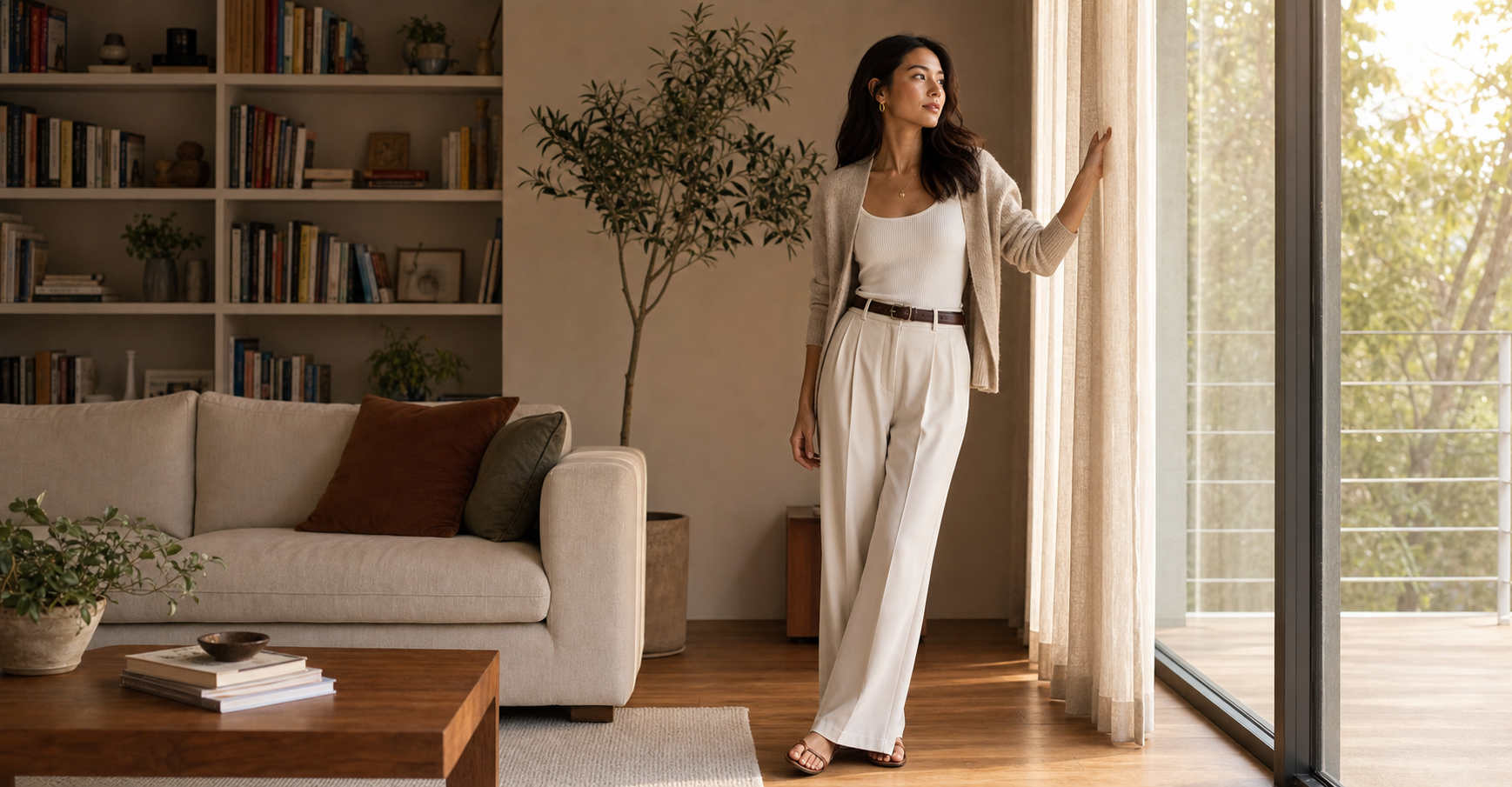
Window line
Use curtains, sofas, shelves, and window light to make the pose feel lived-in.
Scene pages turn a location into usable pose direction. The advice should help the subject react to light, horizon lines, walls, furniture, stairs, mirrors, wind, and movement.

Scene pages should not repeat people pages. They need setting-specific advice: how to stand against a wall, walk along a shoreline, sit on steps, or use window light.
Scene pages are useful only when the location changes the pose. The full index keeps beach, home, street, studio, mirror, pool, school, and outdoor variants crawlable.
The scene cluster is where photography expertise can make thin keywords useful. A beach page should not read like a studio page, and a home page should not read like a city street page.
Use curtains, sofas, shelves, and window light to make the pose feel lived-in.

Let the path, grass, and horizon guide body direction and camera layout.

Use architecture, cafe edges, and crosswalk lines to create a clean urban frame.
Every scene detail page should include one paragraph for each image explaining body position, hands, eyes, and frame layout.
These scene pages now use location-specific reference images and practical pose mechanics.